


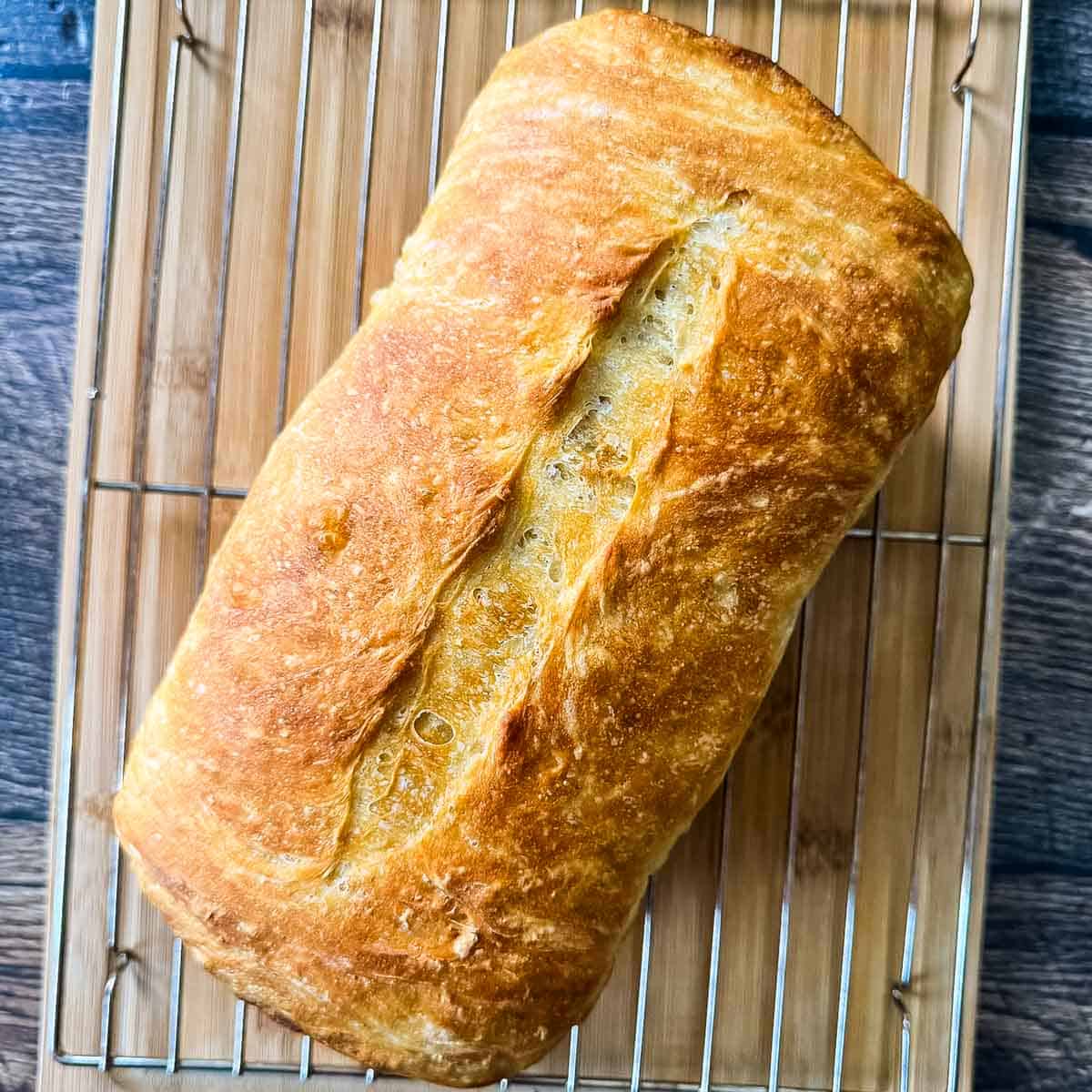
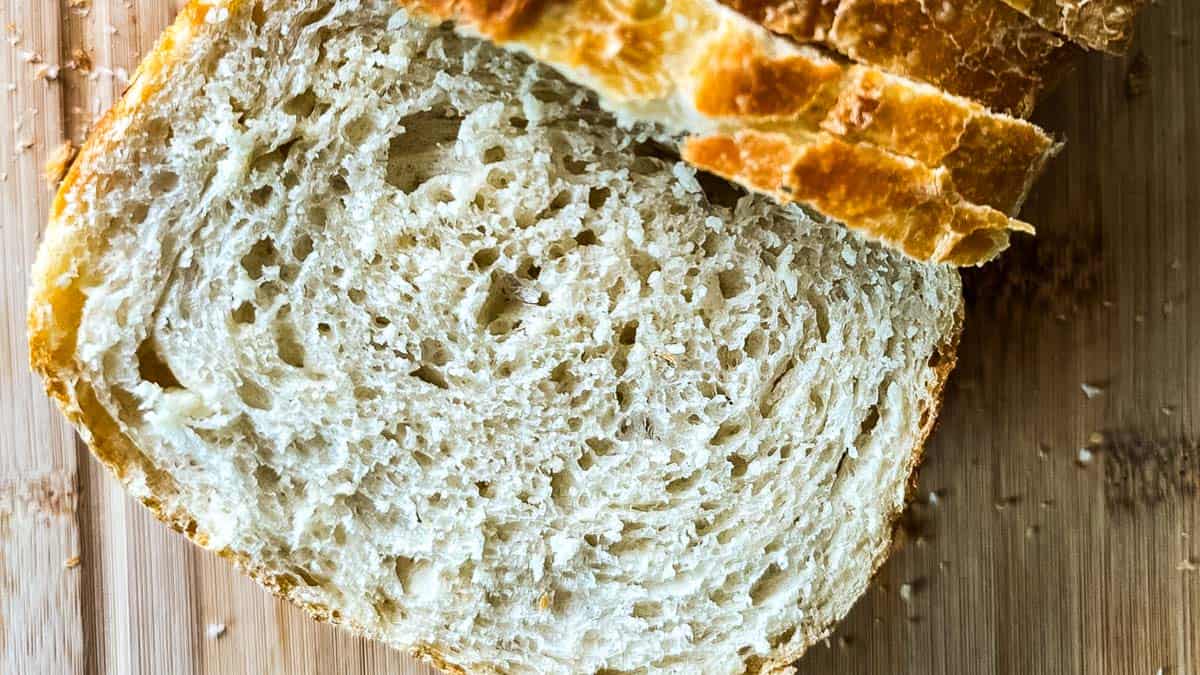
This Sourdough Discard Sandwich Bread is soft, tender, and perfectly sliceable, with just a hint of sourdough tang. Made with unfed sourdough discard and instant yeast, it doesn't require feeding your starter, long fermentation, or an all-day rise. Instead, you'll have a soft homemade sandwich loaf ready in about 3 hours.
If you've got a jar of sourdough discard in the fridge, this easy sandwich bread is one of the best ways to use it up. The loaf slices perfectly for sandwiches, makes excellent toast, and freezes well, so I almost always keep one on hand.
Want to save this recipe?
Enter your email & I'll send it to your inbox. Plus, get great new recipes from me every week!
Unlike my Sourdough Sandwich Bread recipe, this one relies on instant yeast for the rise, making it much faster and more beginner-friendly while still giving you that subtle sourdough flavor.
If you're looking for another everyday sandwich loaf, my Soft Whole Wheat Bread recipe is another family favorite. It's made with yeast instead of sourdough discard and has a soft, hearty texture that's perfect for sandwiches and toast.
If you're looking for more ways to use up sourdough discard, you'll also want to try my other Sourdough Discard Recipes, like my Rustic Sourdough Discard Bread, Sourdough Discard Pancakes and Sourdough Discard Hamburger Buns next.
Recipe at a Glance
- Yield: 1 loaf (about 12 slices)
- Total Time: About 3 hours, mostly rising time
- Texture: Soft, tender crumb with a light, golden crust
- Method: Mixed, shaped, and baked in a standard loaf pan
- Difficulty: Beginner-friendly
- Perfect For: Sandwiches, toast, using up sourdough discard, or anyone new to their sourdough journey
Why Use Sourdough Discard Instead of a Starter?
If you keep a sourdough starter, you know the discard pile-up problem well. Every time you feed your starter, you're left with discard that either goes in the compost or the fridge, waiting for a recipe to use it up.
This sandwich bread is one of the easiest ways to put that discard to work. Because the recipe also uses instant yeast, you get the tangy flavor and fermentation benefits of sourdough without waiting on a long natural rise. The yeast handles the rise, while the discard adds flavor and a touch of extra softness to the crumb.
The Secret to Soft, Fluffy Sandwich Bread
The most common mistake with any sandwich bread is over-flouring the dough during shaping. It's tempting to keep adding flour to keep the dough from sticking to your hands, but too much flour at this stage gives you a dense, dry loaf instead of a soft, tender one.
Rub a little flour on your hands and use just enough on your work surface to keep the dough from sticking. Resist the urge to keep adding more, or you'll end up with a denser loaf.
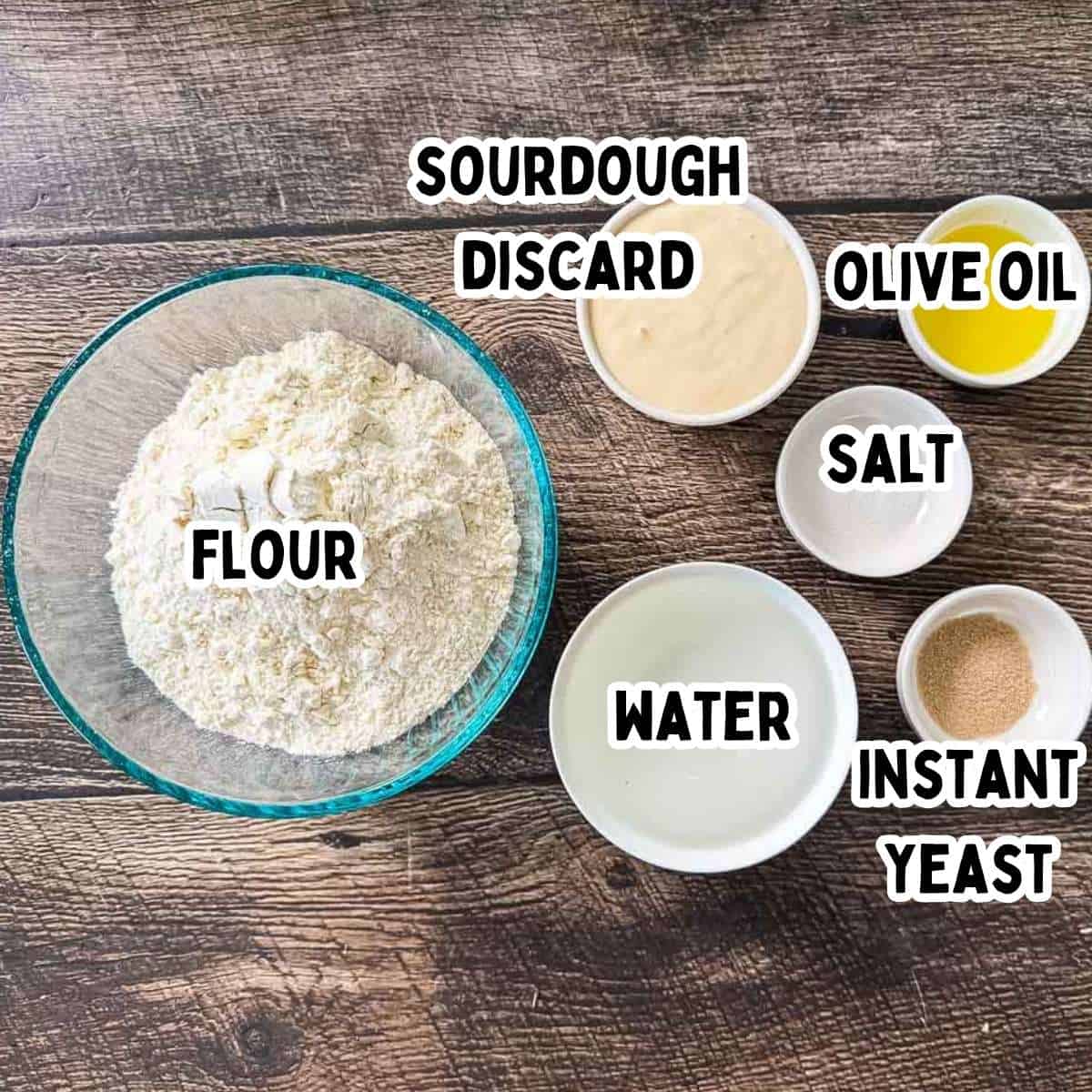
Ingredients & Substitutions
- Bread flour. Bread flour gives this loaf a taller rise and a chewier texture than all-purpose flour. You can substitute all-purpose flour if that's what you have, but the loaf will be slightly softer and may not rise quite as high.
- Sourdough discard. Use unfed discard from active sourdough starter straight from the fridge. There's no need to feed it first. This is a great way to use up discard before it turns overly sour.
- Warm water. Aim for around 90°F. It should be warm to the touch but not hot. Water that's too hot can kill the yeast, while water that is too cool may slow the rise.
- Instant yeast. Instant yeast can be mixed directly into the dry ingredients with no proofing required. Active dry yeast works too, but bloom it in the warm water for 5-10 minutes first.
- Salt. Regulates the yeast's rise, strengthening the dough and balancing the flavor.
- Olive oil. Adds richness and helps keep the crumb soft. Melted butter works as a substitute.
How to Make Sourdough Discard Sandwich Bread
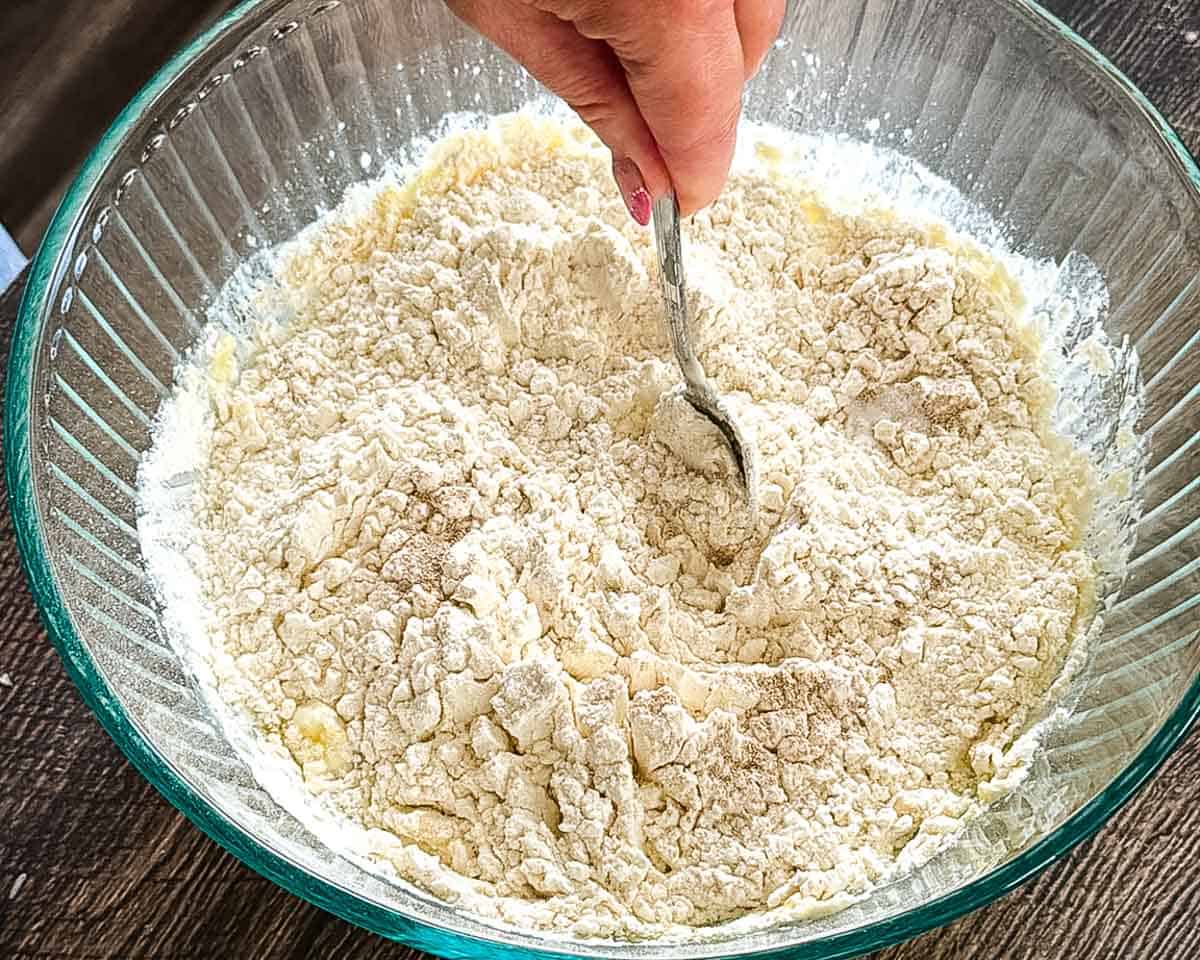
Mix the Dough. In a large bowl, combine warm water, sourdough discard, and olive oil. I use a large bowl, but you can also combine the ingredients in the bowl of a stand mixer fitted with a dough hook attachment.
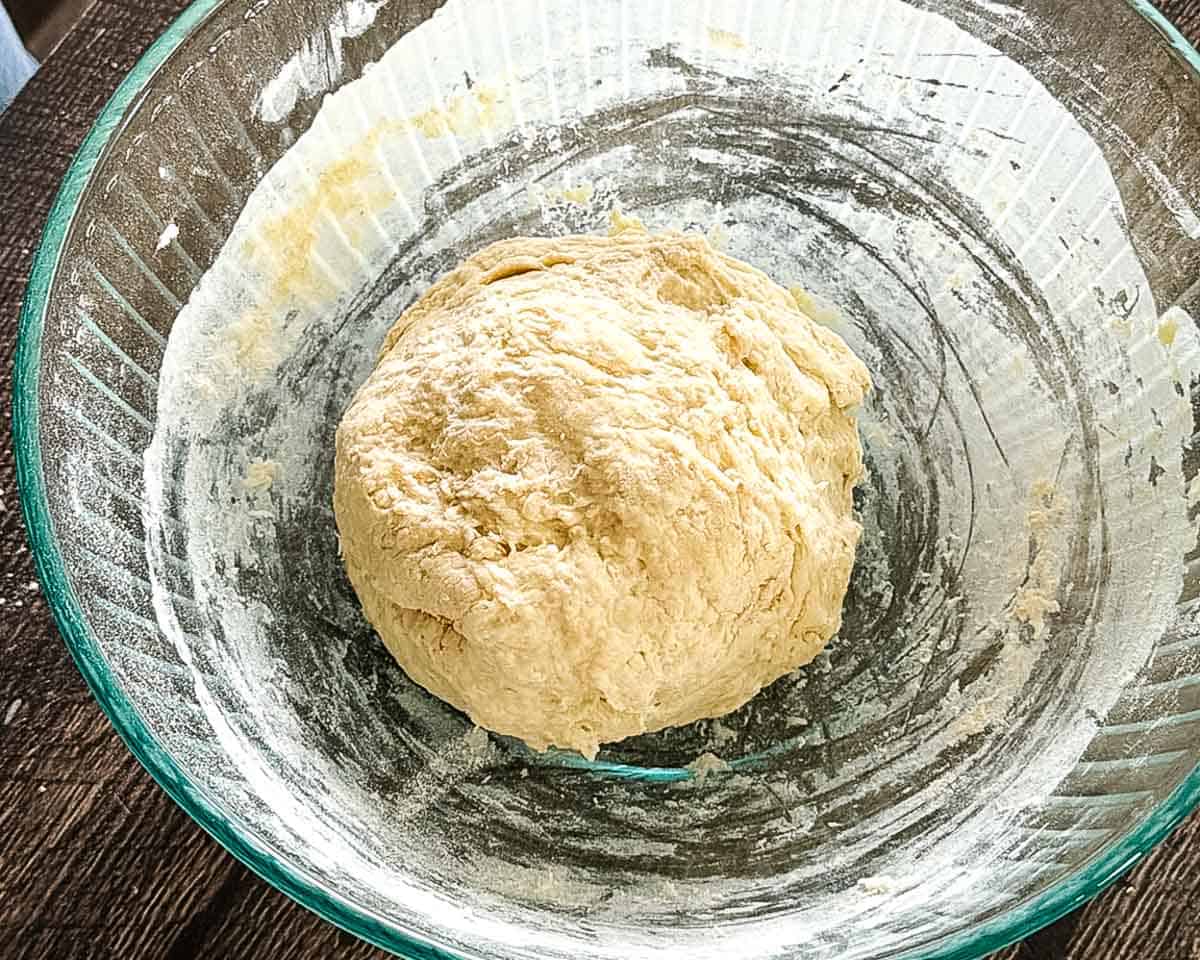
Add the flour, yeast, and salt, and mix until a shaggy dough forms, then ditch the spoon and use your hands to form it into a ball. Once everything is incorporated into a rough, tacky ball, stop mixing. Cover with plastic wrap or a kitchen towel and let rise in a warm place until doubled in size, about 60-90 minutes. (I like to put it in my oven on the PROOF setting or just with the oven light on.)
Shape the Loaf. Turn the dough onto a lightly floured surface. Gently press or pat the dough into a 9x12-inch rectangle. Starting with the short end, roll the dough tightly into a log, then pinch the seam and both sides tightly so it doesn't unravel during baking.
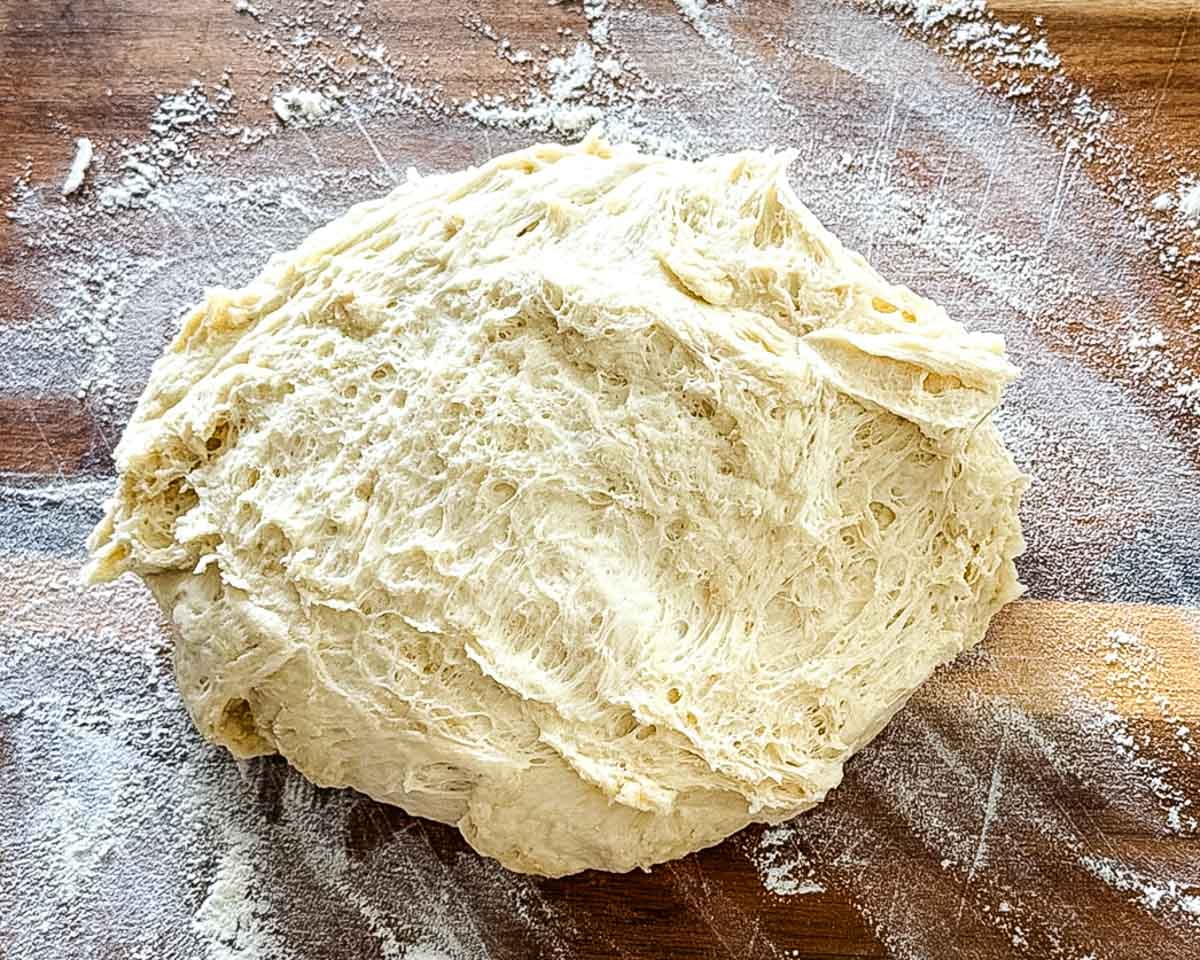
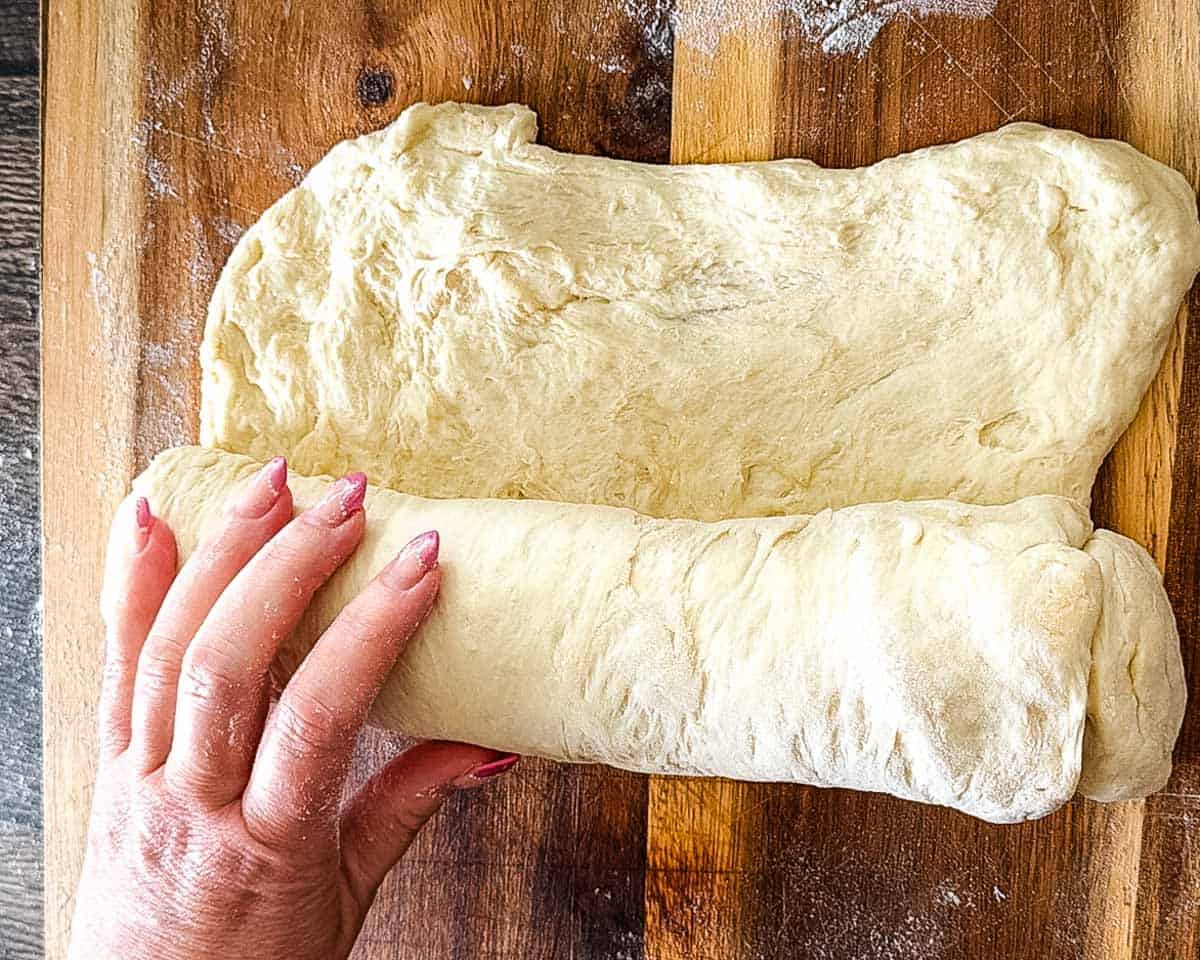
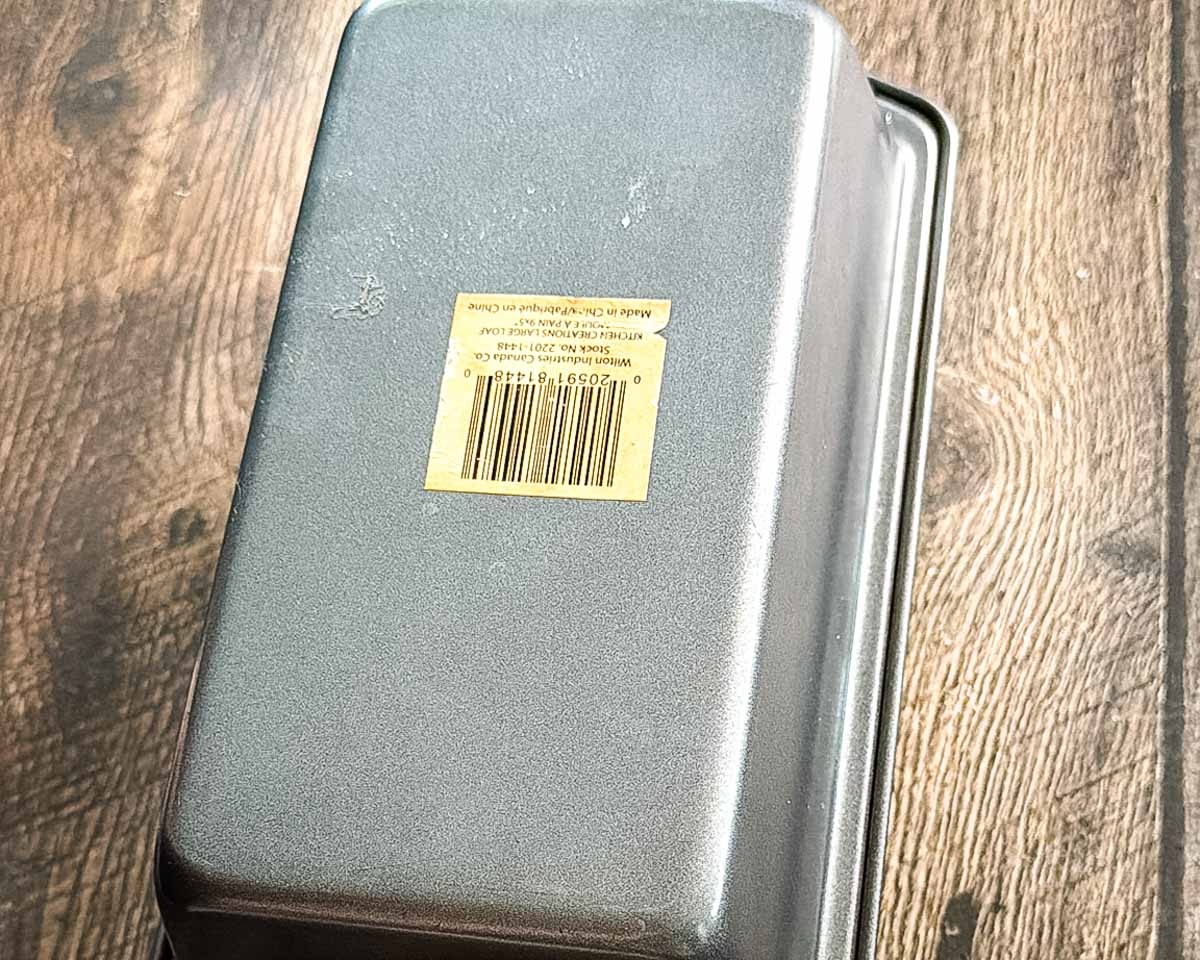
The Second Rise. Place the loaf seam-side down into a greased 9x5-inch loaf pan. Cover and let rise until the dough is 1 to 1½ inches above the rim of the pan, about 1 hour.
Preheat and Score. Preheat your oven to 390°F. Score the top of the loaf with one long slash down the center, about ¼-inch deep, to control where the loaf expands as it bakes.
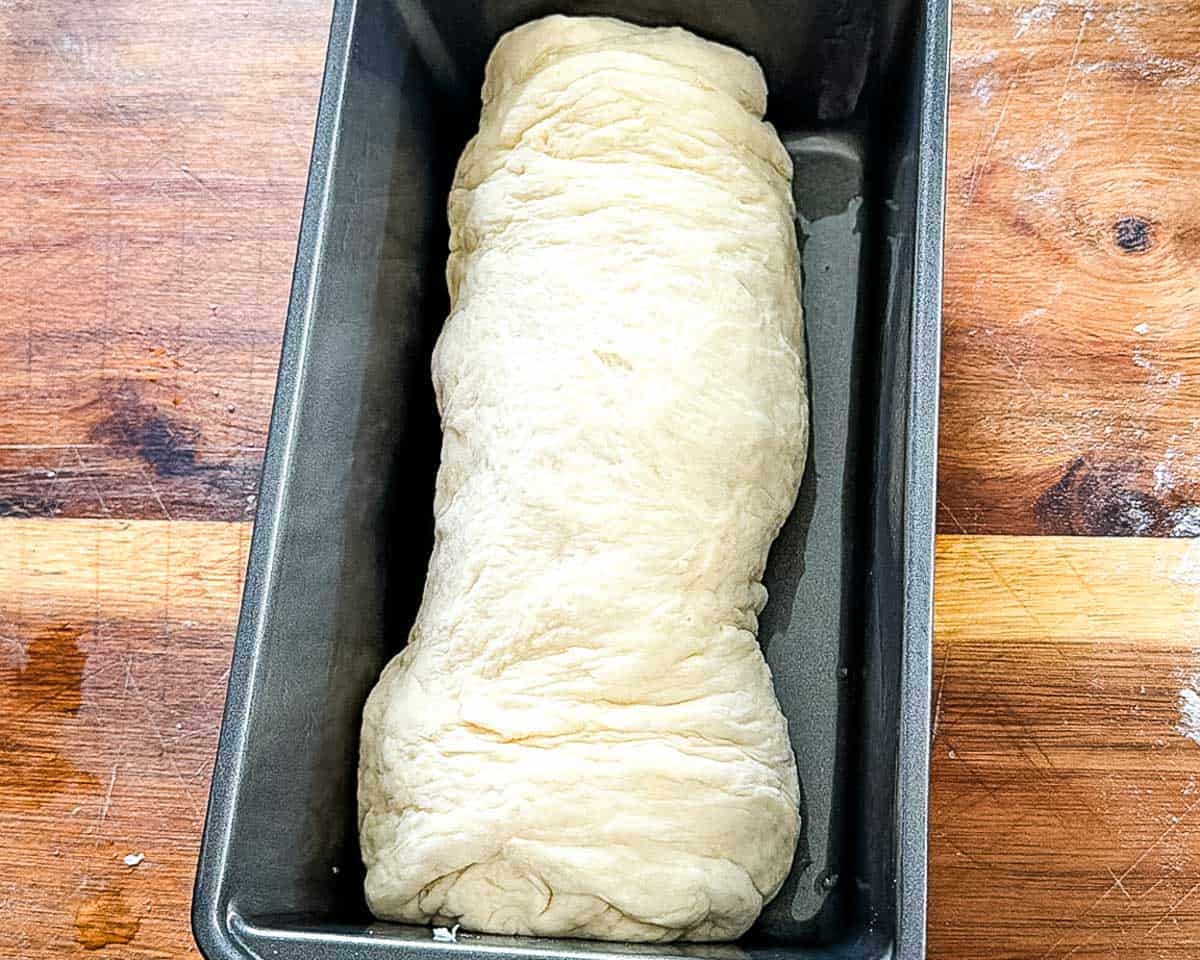
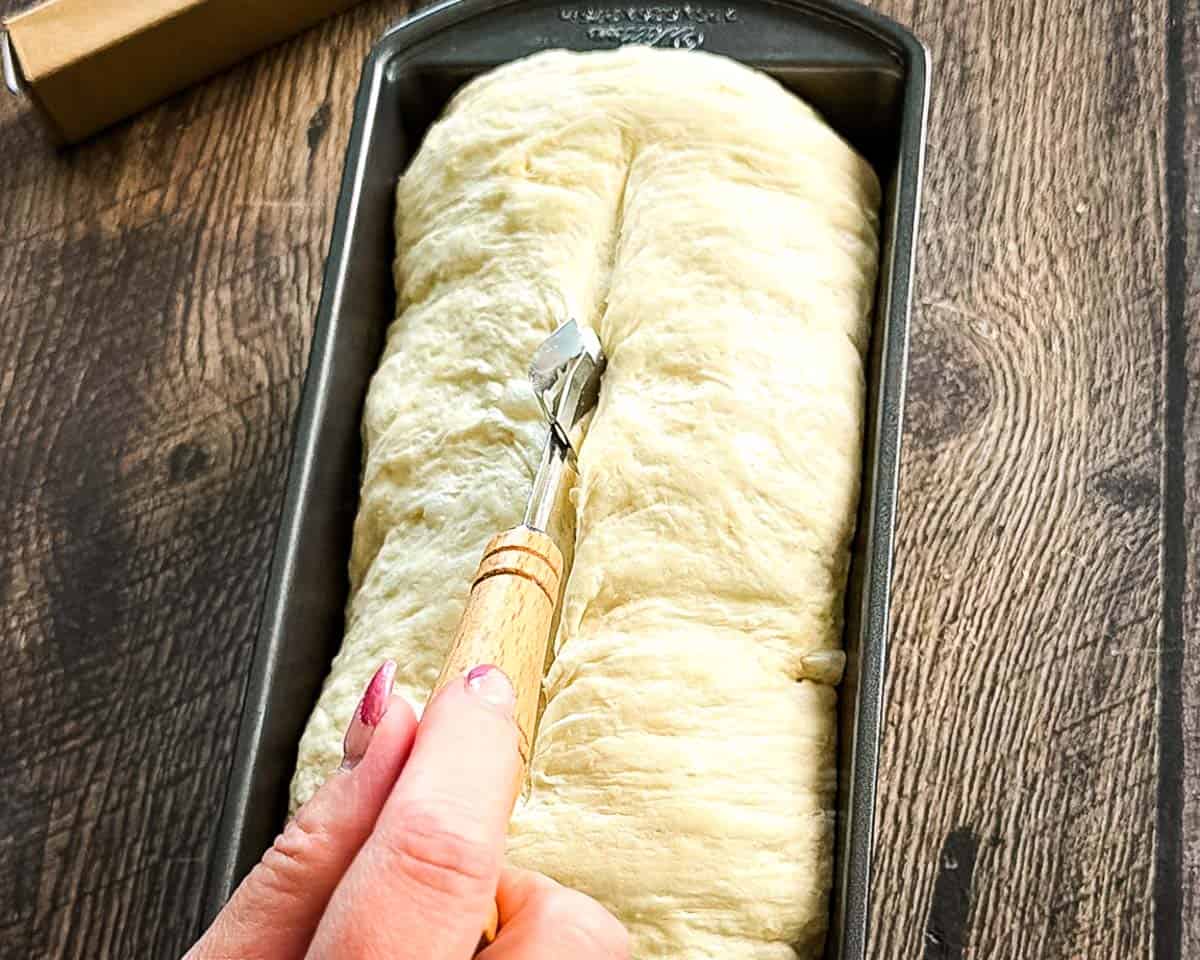
Bake, covered. Cover the loaf with a second greased loaf pan turned upside down and bake for 25 minutes. This traps steam around the loaf, much like a Dutch oven, keeping the crust soft while the bread gets its final rise in the oven. The result is a taller loaf with a soft, tender crust.
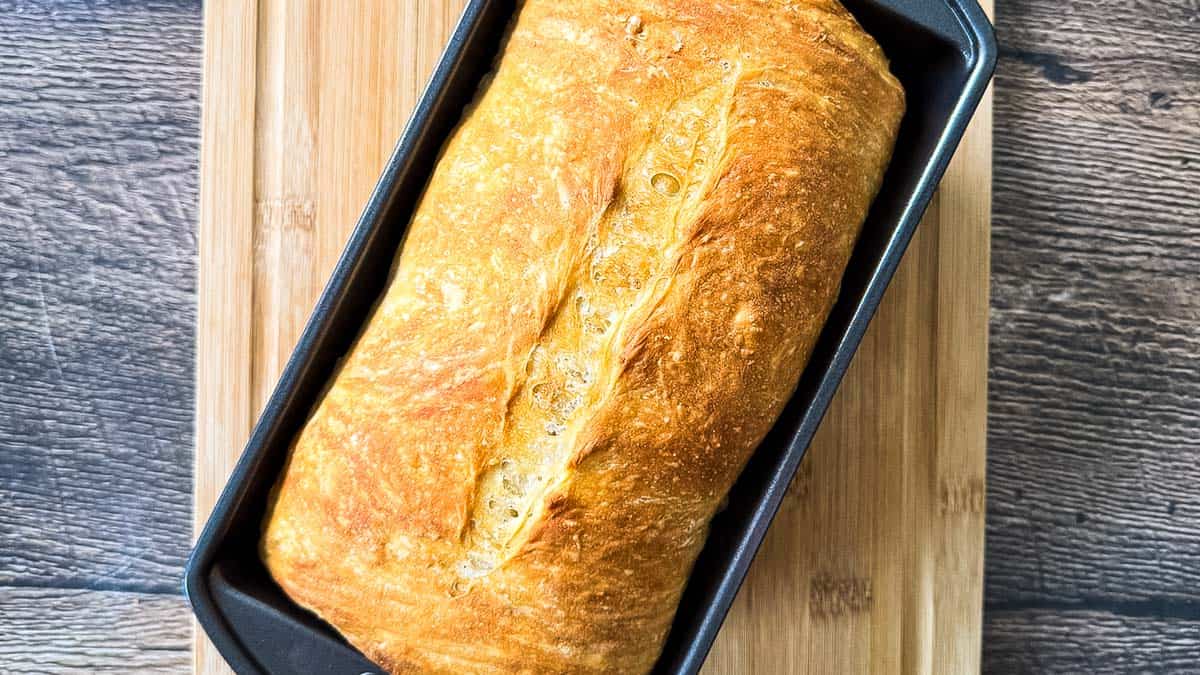
Uncover and finish. Remove the top pan and bake 8-10 minutes more or until the top is golden brown.
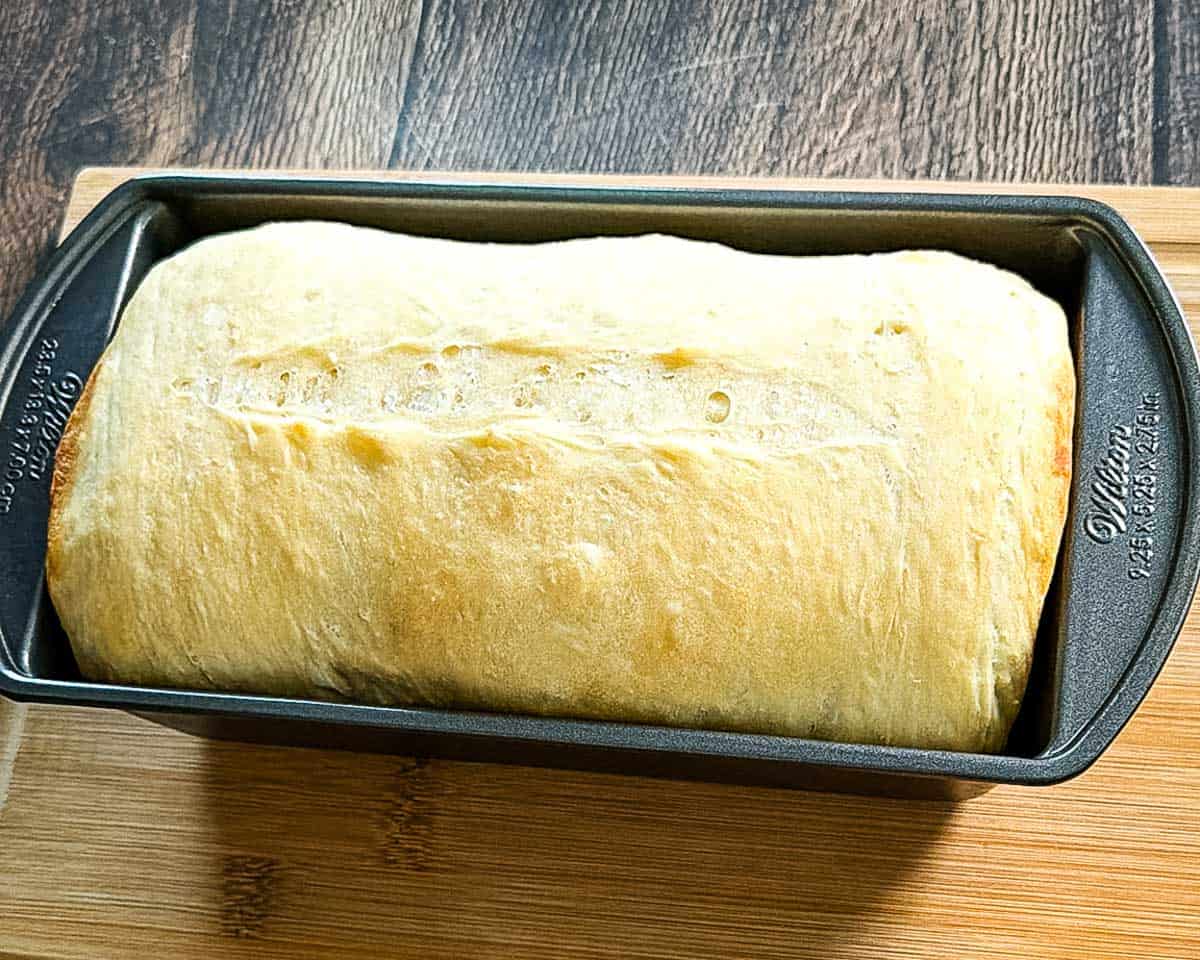
Cool. Remove the loaf from the pan immediately and let the bread cool completely on a wire cooling rack before slicing. Cutting in early will give you a gummy crumb.
Jeri's Top Tips
- Don't skip the tacky test. The dough should stick very lightly to your finger and pull away clean, not cling to it. If it's still wet and sticky after mixing, work in a tablespoon of flour at a time.
- Roll tightly. A loose roll leaves air pockets in the crumb and can cause the loaf to separate along the seam as it bakes. Roll it snugly, like a jelly roll.
- Watch the second rise closely. Sandwich bread over-proofs faster than you'd think in a warm kitchen. Once the dough is 1 to 1½ inches above the pan rim, get it in the oven. Waiting much longer can cause the loaf to collapse.
- No second loaf pan? Use foil. Tent the loaf loosely with aluminum foil instead, making sure it doesn't touch the top of the rising dough, for the same steam-trapping effect.
What to Serve with Sourdough Discard Sandwich Bread
I like to slice my sandwich loaf to use for everyday sandwiches like my Air Fryer Reuben Sandwich and Ultimate Smoked Grilled Cheese Sandwich. However, there's nothing better than a fresh loaf of bread topped with butter and Homemade Peach Jam, Strawberry Freezer Jam, Raspberry Rhubarb Jam, or even peanut butter for breakfast toast.
Try it alongside a bowl of Roasted Tomato Soup or Smoked Chicken Noodle Soup. Or, use it to make Sourdough French Toast the next morning while it's still a day or two old.
How to Store & Freeze
Store the cooled loaf in an airtight bag, a bread bag, or a container at room temperature for up to 4 days. Because this bread doesn't contain preservatives, it will dry out faster than store-bought sandwich bread, so plan to use it up within that window. I don't recommend refrigerating the bread, as it dries out more quickly than storing it at room temperature.
To freeze, slice the loaf first, then store the slices in a freezer bag with the air pressed out for up to 3 months. Pull out slices as you need them and toast straight from frozen, or thaw at room temperature first. My Air Fryer Toast tutorial shows you exactly how to get crisp, golden toast every time.
FAQs
No. This recipe uses unfed sourdough discard along with instant yeast, so you don't need to feed your starter or wait for it to become active before baking.
Dense sandwich bread is usually the result of adding too much flour during mixing or shaping or not letting the dough rise long enough at either stage. Make sure you let both rises go the full time, even if it takes a little longer in a cooler kitchen.
The discard is what gives this loaf its subtle sourdough tang. However, if needed, you can replace the discard with equal parts flour and water to maintain the same dough consistency. Just keep in mind that you'll lose the characteristic sourdough flavor.
Yes. Divide the dough into equal pieces after the first rise, shape into rolls, and place them in a greased baking pan. The second rise and bake time will be shorter, so keep an eye on them.
Yes. Active starter works just as well. Since this recipe uses instant yeast for the rise, you'll get similar results whether your starter is active or unfed.
More Sourdough Bread Recipes
If you're looking for more sourdough recipes, try these next:
Printable Recipe

Sourdough Discard Sandwich Bread
Ingredients
- 1¼ cups warm water (about 90°F)
- ½ cup sourdough discard (unfed)
- 1 tablespoon olive oil
- 3½ cups bread flour (plus extra for shaping)
- 1¼ teaspoons instant yeast
- 2 teaspoons salt
Instructions
- Mix the dough. In a large mixing bowl, combine the warm water, sourdough discard, and olive oil. Add the bread flour, instant yeast, and salt. Mix until a shaggy dough forms, then use your hands to bring everything together into a rough, tacky ball. If the dough is extremely sticky, add flour 1 tablespoon at a time, but try not to add too much extra.
- First rise. Cover the bowl with plastic wrap or a clean kitchen towel, and let it rise in a warm place until doubled in size, about 60-90 minutes. (The PROOF setting in your oven, or just with the oven light on is perfect!)
- Shape the loaf. Turn the dough onto a lightly floured surface and gently pull it into a rectangle about 9x12 inches. Starting with the short side, roll the dough tightly into a log. Pinch the seam and ends closed.
- Second rise. Place the loaf seam-side down into a greased 9x5-inch loaf pan. Cover and let rise until the dough is about 1 to 1½ inches above the rim of the pan, about 60 minutes.
- Preheat the oven. Heat the oven to 390°F while the loaf finishes rising.
- Score the loaf. Using a sharp knife or bread lame, make one long slash about ¼-inch deep down the center of the loaf.
- Bake covered. Lightly grease a second 9x5-inch loaf pan and invert it over the loaf to trap steam. Bake for 25 minutes.
- Finish baking. Carefully remove the top pan and continue baking for 8-10 minutes, or until the loaf is golden brown and the internal temperature reaches 195-200°F.
- Cool completely. Remove the bread from the loaf pan immediately and cool on a wire rack for at least 1 hour before slicing.
Want to save this recipe for later? 💌
Notes
- Bread flour: Bread flour gives this loaf its best rise and soft, chewy texture. All-purpose flour works too, but the loaf may be slightly softer and won't rise quite as high.
- Sourdough discard: Use unfed discard straight from the refrigerator. There's no need to feed it first.
- Don't over-flour: The dough should feel tacky, not sticky. Too much flour during mixing or shaping can make the loaf dense.
- Shape tightly: Roll the dough firmly to prevent large air pockets inside the finished loaf.
- Second rise: Bake as soon as the dough reaches 1 to 1½ inches above the rim of the loaf pan. Over-proofing can cause the loaf to collapse.
- No second loaf pan? Loosely tent the loaf with aluminum foil, making sure it doesn't touch the dough.
- Storage: Store cooled bread in an airtight container or bread bag at room temperature for up to 4 days.
- Freezing: Slice the loaf before freezing. Store slices in a freezer-safe bag for up to 3 months. Toast directly from frozen or thaw at room temperature.
Nutrition
The provided nutrition information is automatically calculated. Accuracy is not guaranteed.
Did you love this recipe?
Then please leave a 5-star rating and/or review below! You can also save it! Just tap the heart symbol ❤️ in the lower right corner of your screen, and the recipe will be stored in your own recipe box!📥


Linda Tenofsky says
I love this recipe! I have made it multiple times and it makes a tall loaf of bread that makes great toast. I slice it and freeze in-between parchment sheets. It has more “crunch” that plain yeast bread. And it is ready in 3 hours!
Jeri Walker says
Thank you so much Linda! I'm so glad you've been enjoying the bread! 😊 I love your tip about slicing and freezing it with parchment between the slices; that makes it so easy to grab a slice or two for toast! Thanks so much for taking the time to leave a comment and review! I really appreciate it! 😊