



This Homemade Crab Apple Syrup is an excellent recipe if you have an abundance of crabapples that are ripening faster than you can eat them. This recipe will provide a steady supply of sweet, delicious crabapple syrup all winter.

Want to save this recipe?
Enter your email & I'll send it to your inbox. Plus, get great new recipes from me every week!
Here on the farm, we have 3 crabapple trees that produce buckets of apples in the fall. When they ripen, we have to get to them fast before they fall on the ground. I have experimented with many crabapple recipes over the years. Our favorite is this delicious crabapple syrup.
This delicious crabapple syrup can be stored in jars for about 1 year in a cool, dark place or kept cold in the fridge for up to a few months. We produce a lot of it, so we prefer to put it in pint jars and process it in a hot water bath.
It tastes delicious served on Dutch Baby Pancakes, Easy Sheet Pan Pancakes, Crispy Belgian Waffles, and Ninja Creami Homemade Vanilla Ice Cream.
For another traditional canning recipe, try my Old Fashioned Pickled Beets!
Jump to:
❤️ Why You Will Love This Recipe
- Unique Flavor: Crabapples have a tangy and slightly tart taste, which gives the syrup a delicious flavor.
- Versatility: Crabapple syrup can be used in various ways, including cocktails, desserts, pancakes, or as a sweetener in sauces.
- Fresh and Natural: Making homemade crabapple syrup lets you control the ingredients and avoid additives or preservatives.
- Customizable Sweetness: You can adjust the amount of sugar or use alternative sweeteners to suit your taste preferences or dietary needs.
- Economical: This recipe is a cost-effective way to make syrup if you can access crabapple trees or find them locally.
- No Added Pectin: This recipe contains no added pectin. The syrup will thicken as it cools.
🍎 Ingredient Notes + Substitutions
Only two ingredients are needed to make this delicious syrup.
- Crabapple juice. Use fresh, ripe crabapples. Their tartness will add a unique flavor to the syrup. If you can't find crabapples, you can use regular apples as a substitute, but remember that the flavor profile will differ.
- Sugar. Granulated white sugar is commonly used in syrup recipes; however, I prefer cane sugar. Both types of sugar work equally well.
See the printable recipe card for exact measurements and a complete list of ingredients.
🍎 Canning Equipment Needed
- Colander
- Water bath canner
- Jar lifter
- Pint jars and lids
- Old towel
- Cheesecloth or clean towel
🍎 How To Make Crabapple Syrup
Essentially, crabapple syrup is crabapple juice with added sugar. That means that first, you need to make the juice. Six cups of juice will make about 6 cups of syrup.
Using an electric juicer
Here on the farm, I use an electric juicer. This makes the process very quick and easy.
First, rinse the crabapples with water, cut out any bad spots, and run them through your electric juicer.
The juicer will catch all of the stems and apple seeds. Clean the filter of your juicer periodically as it will plug up.
Expert tip: Lay a towel underneath the juicer to make cleanup easier.


No electric juicer? Make it the old-fashioned way
Rinse the crabapples with water, cut out any bad spots, and put them into a huge pot. You can leave them whole with the stems on.
Add just enough water to cover the apples, then bring it to a boil over medium-high heat.
When it comes to a boil, reduce the heat to low and let it simmer for 5-10 minutes until the crabapples are soft enough to mash with a potato masher.
Then, turn off the heat and let the crabapples cool slightly. Do not overcook.
👩🏽🍳 Once you have juice
When you have all of your juice made, pour it through a colander and then through a double layer of cheesecloth or a clean dish towel over a bowl and let the juice drain.

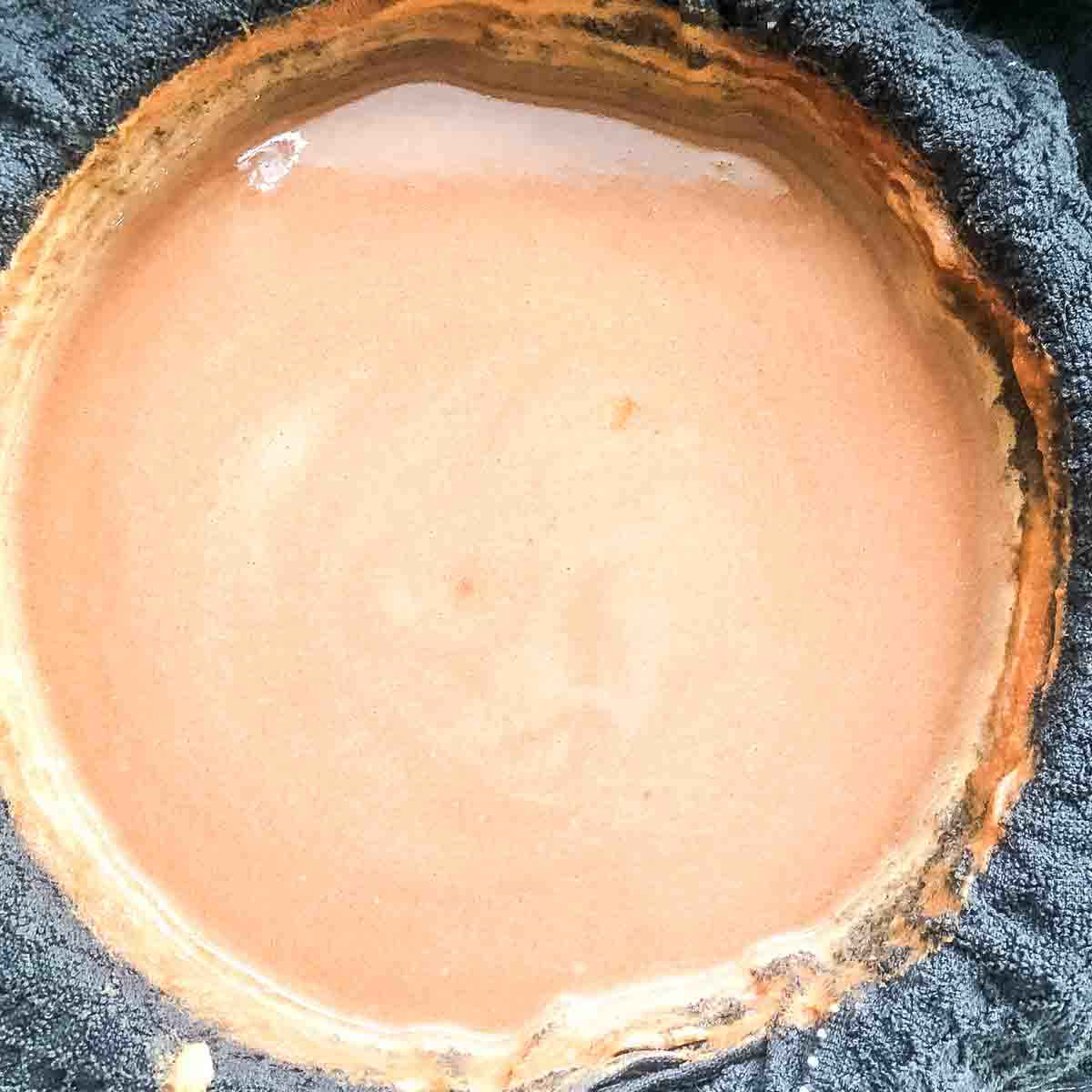
This will catch any foaminess that you accumulate in your juice. You will end up with beautiful, clear juice. This may take a while, don't rush it. Don't squeeze the cloth as the juice is draining or your syrup might get cloudy.
Place the rack inside your hot water canner, set jars in the canner, add water, and boil jars for 10 minutes to sterilize. Warm your lids in a small pot over low heat but do not boil. Keep jars and lids warm until ready to use.
Next, measure your strained juice and put it in a large pot. Add ½ cup to ¾ cup of sugar for every cup of juice. This will depend on your own personal tastes.
I add the least amount of sugar possible as our crabapples tend to be pretty sweet.
⏲️ Final Steps
Whisk the cane sugar and juice together in a large pot over medium heat until the sugar is dissolved. Do not let the mixture boil. Let it cook for 5-10 minutes, stirring occasionally.

Spread an old kitchen towel on the counter. Use your jar lifter to remove warm jars from the canner and place on the towel. Use your canning ladle and funnel and add the crabapple syrup to warm jars, leaving ¼-inch headspace. Wipe the jar rim with a clean cloth. Use your magnetic lid lifter to lift lids out of the warm water, center the lid on the jar, and screw on the band until it is fingertip tight. Do not over-tighten.
Using the jar lifter, place jars carefully into the boiling water canner, leaving space between them. You do not want them to be touching. When the jars are all in the canner, add more boiling water so the water level is at least one inch above the jar tops. Pour the water around the jars and not directly on them.
Cover the water bath canner with the lid and bring to a boil over high heat. Once the water boils, continue boiling for 10 minutes.
When the processing time is complete, turn off the heat. Place an old kitchen towel on your counter to place your hot jars. They cannot be moved for about 24 hours, so ensure they are in a spot where they won't be disturbed.
Remove the lid of the canner by tilting the lid away from you so that steam does not burn you. Use a jar lifter to lift jars carefully from the canner and place the jars on the towel.
Allow the jars to cool for 12 to 24 hours. When you hear the "ping" or "pop," you know that your jars are sealing. I usually do a little happy dance at this point. 🙂
Let the water in the canner cool completely before emptying it.
After about 12 to 24 hours, check the jars to see if the lids have sealed by pushing on the center of the lid. The lid should not pop up. If the lid bends up and down, it did not seal. Place that jar in the fridge and use it up first.
Wipe the outside of the jars with a clean cloth to remove any sticky residue. Label and date your jars. Store your lovely homemade crabapple syrup in a cool, dark place and use it within 12 months.
If you want to store the syrup in the fridge, just let it cool completely, pour the cooled syrup into bottles or sterilized canning jars, and then store it in the fridge. The syrup will keep in the fridge for several months.

💭 Expert Tips
- Select crabapples that are fully ripe, as they will have the most flavor.
- If possible, try using a mix of different types of crabapples to add extra flavor to the syrup.
- To avoid cloudy syrup, do not squeeze the crabapple juice as it is draining. Instead, let gravity do its work.
- Balance sweetness and acidity: Adjust the amount of sugar used based on your preference for sweetness.
❓ Recipe FAQs
It is best to use fully ripe crabapples for optimal flavor and sweetness. Unripe crabapples may result in a tart or less flavorful syrup.
Absolutely! You can experiment with adding spices like cinnamon, cloves, or ginger during cooking to infuse additional flavors into the syrup.
Yes, you can easily scale up the recipe by increasing ingredient quantities proportionally.
Absolutely! Crabapple syrup can be used as a flavorful addition to cocktails, mocktails, lemonades, or even drizzled over pancakes, desserts, and ice cream for a touch of sweetness.
While the recipe is specifically designed for crabapples, you can experiment with other types of apples if desired.
👩🏻🍳More Preserves You'll Love


If you like this post on this Homemade Crabapple Syrup recipe, please take a moment to rate the recipe 🌟🌟🌟🌟🌟 and leave a comment below with your thoughts!
Printable Recipe

Homemade Crabapple Syrup - No Added Pectin
Ingredients
- 6 cups crabapple juice
- 2 cup cane sugar or adjust to taste
Instructions
If using an electric juicer:
- Rinse the crabapples with water (make sure they are not going rotten or have any worms) and start running them through your electric juicer. The juicer will catch all of the stems and apple seeds. You will need to clean the filter of your juicer periodically as it gets plugged up.
OR if making the juice on the stove:
- First, rinse the crabapples with water, cut out any bad spots, and put them into a very large pot. You can leave them whole with the stems on.
- Add just enough water to cover the apples, then bring it to a boil over medium-high heat. When it comes to a boil, reduce the heat to low and let it simmer for 5-10 minutes just until the crabapples are soft enough to mash with a potato masher. Then, turn off the heat and let the crabapples cool slightly. Do not overcook.
Once you have the juice:
- When you have all of your juice made, pour it through a double layer of cheesecloth or a clean dish towel over a bowl and let the juice drain. Don't squeeze the cloth as the juice is draining, or your syrup might get cloudy. This will catch any foaminess that you accumulate in your juice. You will end up with beautiful, clear juice. This may take a while; don't rush it.
- Prepare your jars and lids for canning by washing them in warm, soapy water and rinsing them thoroughly or running them through a cycle in your dishwasher. Place the rack inside your hot water canner, set jars in the canner, add water, and boil jars for 10 minutes to sterilize. Warm your lids in a small pot over low heat. Keep jars and lids warm until ready to use. Do not boil the lids.
- Next, measure your strained juice and put it in a large pot. Add ½ to ¾ cup of sugar for every one cup of juice. You can always add more sugar, so start on the lower end.
Final Steps:
- Whisk the sugar and juice together over medium heat until the sugar dissolves. Do not let the mixture boil. Let it cook for 5-10 minutes, stirring occasionally.
- Spread an old kitchen towel on the counter. Use your jar lifter to remove heated jars from the canner and line them up on the towel. Use a funnel and ladle and add the crabapple syrup to warm jars, making sure to leave ¼-inch headspace. Wipe the rims with a clean cloth. Use your magnetic lid lifter to lift lids out of the warm water, center the lid on the jar, and screw on the band until it is fingertip tight. Do not over tighten.
- Using the jar lifter, place jars carefully into the canner, leaving space between them. You do not want them to be touching. When the jars are all in the canner, add more boiling water so the water level is at least one inch above the jar tops. I boil water in my kettle and have it ready to go. Pour the water around the jars and not directly onto them.
- Cover the canner with the lid and bring the water to a boil over high heat. Once the water boils, continue boiling for 10 minutes. When the processing time is complete, turn off the heat.
- Place an old kitchen towel on your counter to place your hot jars on. The jars cannot be moved for about 24 hours, so ensure they are in a spot where they won't be disturbed. Remove the lid of the canner by tilting the lid away from you so that steam does not burn you. Use a jar lifter to lift jars carefully from the canner and place the jars on the towel.
- Allow the jars to cool for 12 to 24 hours. When you hear the "ping" or "pop," you know that your jars are sealing. Let the water in the canner cool completely before emptying it.
- After about 12 to 24 hours, check the jars to see if the lids have sealed by pushing on the center of the lid. The lid should not pop back. If the lid bends up and down, it did not seal. Place that jar in the fridge and use it up first.
- Wipe the outside of the jars with a clean cloth to remove any sticky residue. Label and date your jars. Store your homemade crabapple syrup in a cool, dark place and use it within 12 months.
- If you want to store the syrup in the fridge, let the syrup cool completely and pour the cooled syrup into bottles or sterilized canning jars. The syrup will keep in the fridge for several months.
Save This Recipe 💌
Notes
- Select crab apples that are fully ripe, as they will have the most flavor.
- If possible, try using a mix of different types of crabapples to add extra flavor to the syrup.
- To avoid cloudy syrup, do not squeeze the crabapple juice as it is draining. Instead, let gravity do its work.
- Balance sweetness and acidity: Adjust the amount of sugar used based on your preference for sweetness.
Nutrition
The provided nutrition information is automatically calculated. Accuracy is not guaranteed.
Jax says
This crabapple syrup was so delicious! I couldn't get enough!
Cindy Mom the Lunch Lady says
My MIL has a crab apple tree in her front yard. This is definitely a recipe worth trying!
Vicki Grilli says
can you use honey. instead of sugar?
Jeri Walker says
Great question, Vicki! Yes, you can use honey instead of sugar. However, honey is usually sweeter than sugar so you may want to cut the amount back a bit - probably 1-1/2 cups of honey for every 2 cups of sugar.
Jen says
I love this idea! practical and easy to make my own syrup.
Michael DiMaggio says
I have a crabapple tree so I tried this and it was so delicious! It was like a party for my tastebuds!
Genevieve says
I've never heard of crabapples, but this looks delicious!
Michelle Fabrello says
I feel like there is a step missing. After you boil them are you supposed to mash them? If so, Do you take them out of the water to mash?
Jeri says
Hi Michelle. After bringing the apples to a boil, reduce the heat to low and let them simmer for 5-10 minutes, just until the crabapples are soft enough to mash with a potato masher. Mash the apples in the water with the potato masher. Then, turn off the heat and let the crabapples cool slightly. Next, pour the juice through a double layer of cheesecloth or a clean dish towel laced over a large bowl and let the juice drain. The cheesecloth will catch any large bits of apple from the mashing, and only juice will drip down into the bowl. I hope this helps!
Agnieszka says
I have a crabapple tree and was looking for recipes that use them. Can't wait to make it!
Kayla DiMaggio says
Wow! I have a crabapple tree in my backyard and I have never been able to figure out what to do with it! I tried this syrup and it was absolutely amazing! Thank you so much for sharing this!
Jeannie says
I love trying new syrups and bonus if I can make them at home. No added preservatives or anything.
Lexa says
My grandmother used to make crabapple syrup every year. This recipe reminded me of this. Will surely make this!
Andrea White says
Would love to whip this up! Love how the ingredients are limited! YUM!